Investing in the Stock Market with a Guaranteed Return: Separating Fact from Fiction
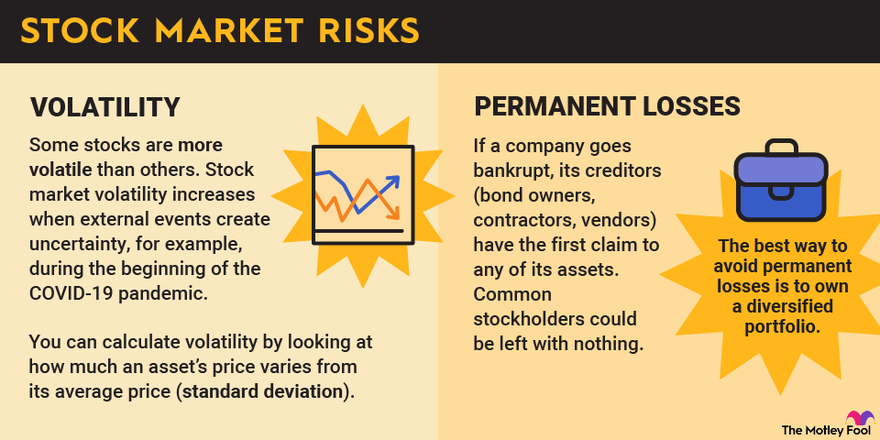
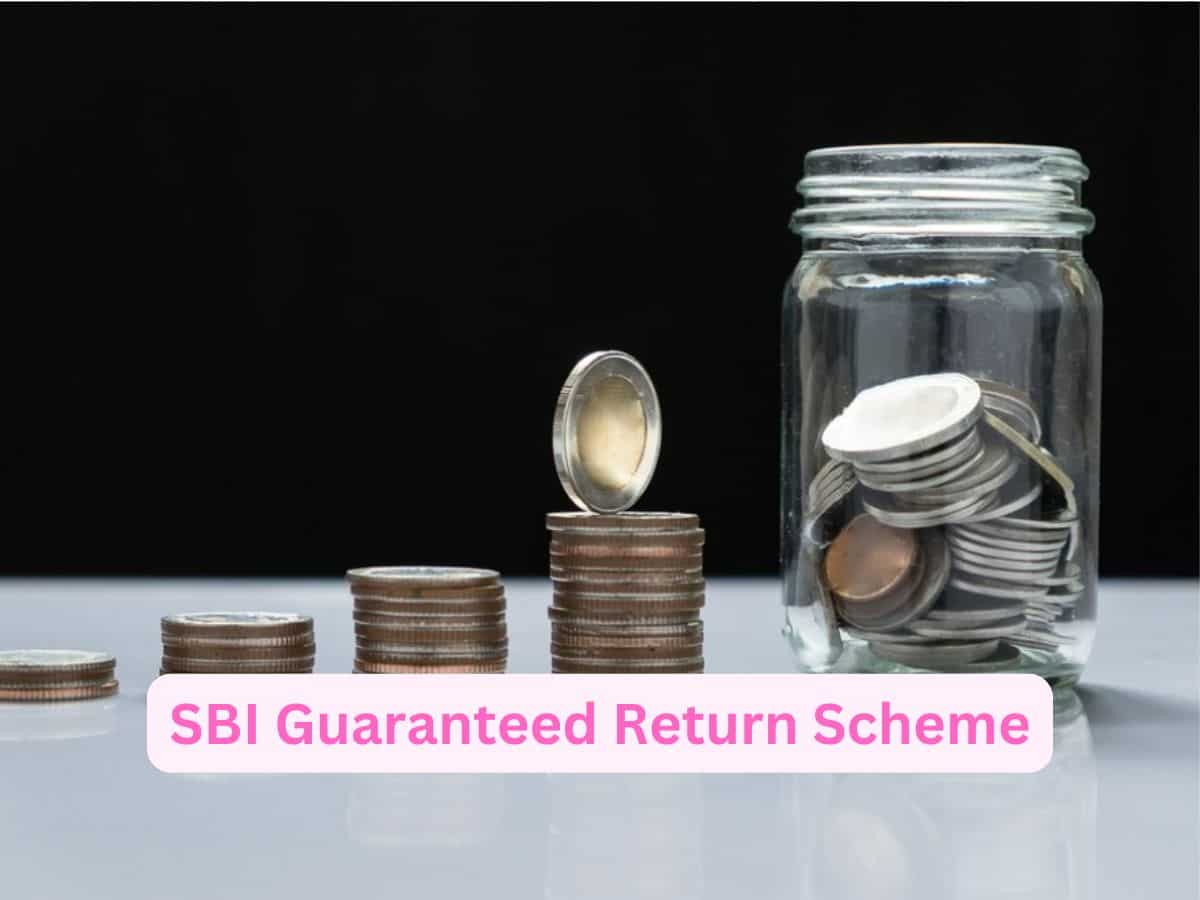
When it comes to investing in the stock market, one of the most enticing things is the promise of a guaranteed return. However, the truth is that no investment is completely risk-free, and any product that claims to offer a guaranteed return is likely to come with some strings attached. Still, we will explore the various investment options that provide a level of guarantee, whether it's a minimum return or protection from potential losses.
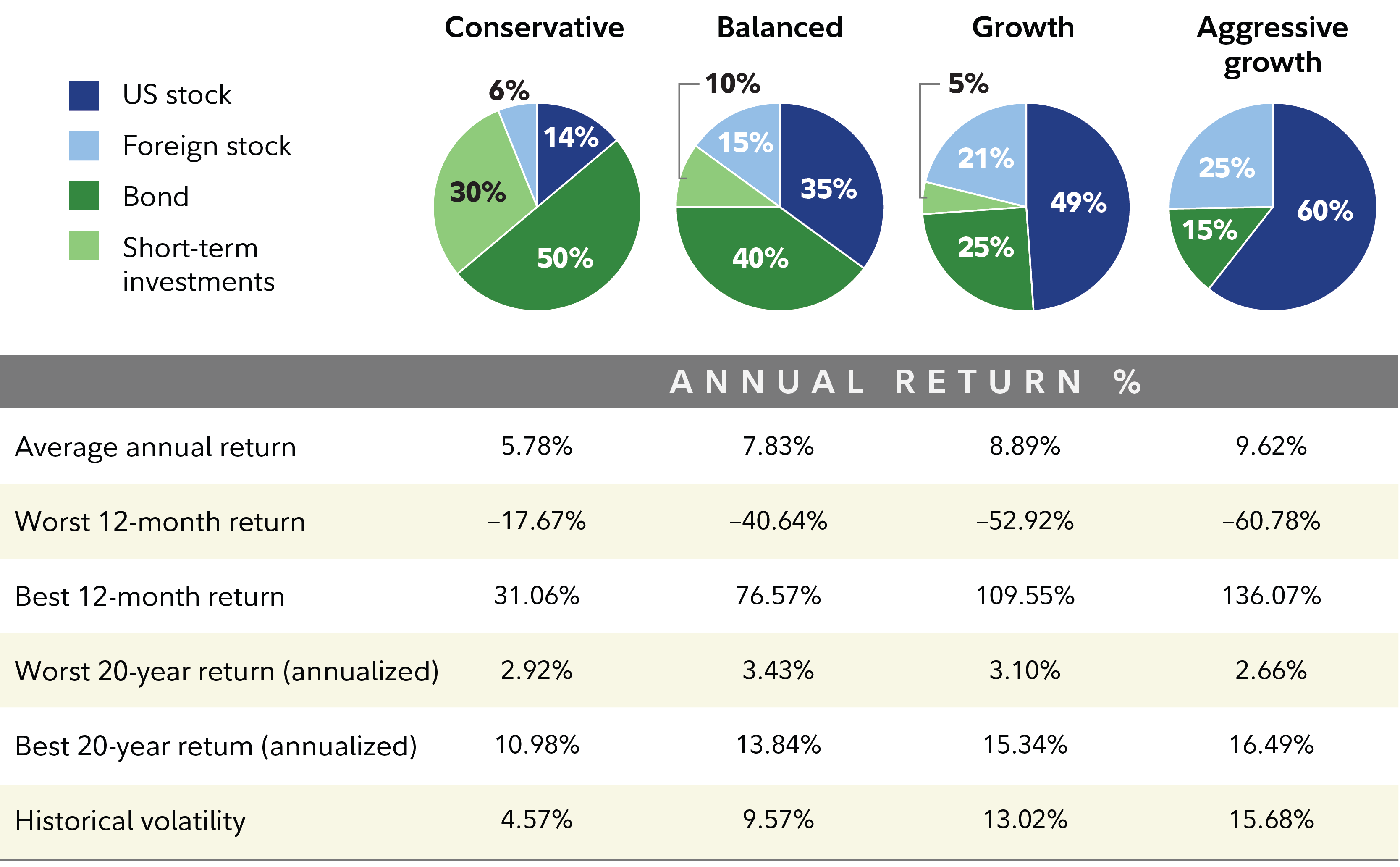
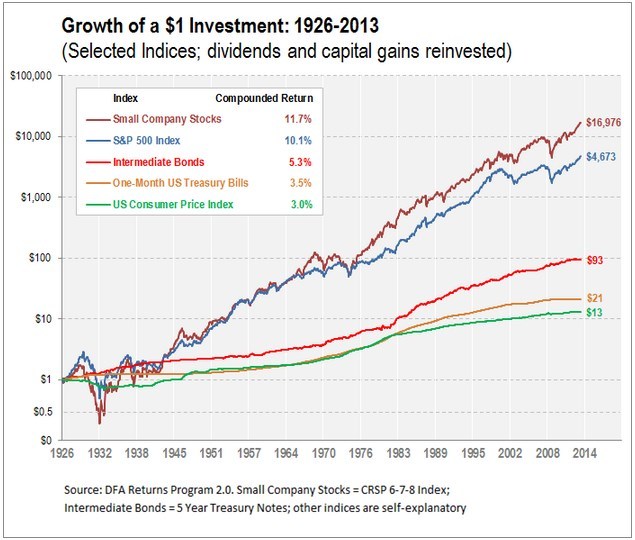
Fixed income products, such as bonds and CDs, are a common way to earn a steady income without exposing yourself to the volatility of the stock market. When you purchase a bond, you essentially lend money to a borrower, such as a corporation or government agency, in exchange for regular interest payments and the return of your principal investment. This provides a relatively stable source of income, with returns ranging from 2-5%. However, it's essential to keep in mind that bonds are not completely risk-free, as the creditworthiness of the borrower can affect the likelihood of receiving regular interest payments and your principal investment back.

CDs are a type of time deposit offered by banks with a fixed interest rate and maturity date. They are FDIC-insured, meaning that your deposit up to $250,000 is guaranteed by the federal government. CDs typically offer higher interest rates than traditional savings accounts, but you'll face penalties for early withdrawal. The trade-off is that your money is locked in for a set period, providing stability and relatively predictable returns. While not a direct investment in stocks, CDs can help you earn a steady income and provide a safe place to store your cash.
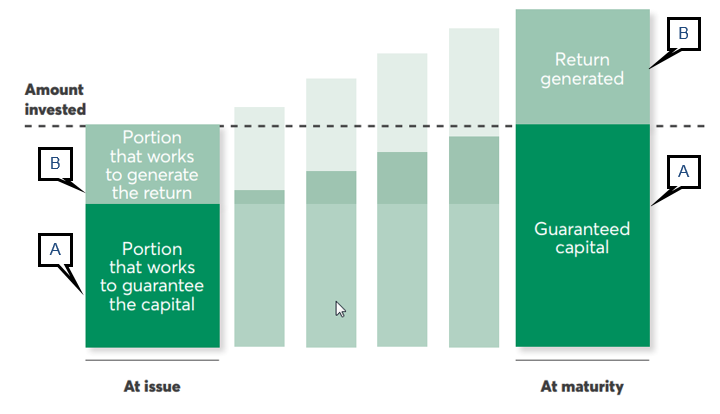
Guaranteed funds are designed to provide a level of protection and return, often selling a range of investment products with varying risk profiles. These funds typically offer a minimum return or insurance that aims to protect your principal investment from market downturns. Some investment products may come with conditions attached, while others may have restrictions or fees associated with withdrawal. Selection from this pool will entail separate discussion considerations. It's essential to evaluate the underlying investment strategy and ensure it aligns with your risk tolerance, time horizon, and financial goals before investing.
Real Estate Investment Trusts (REITs)
REITs are investment companies that enable you to invest in real estate without directly owning physical properties. These companies distribute most of their income to shareholders through monthly or quarterly dividends, making them an attractive option for income investors. REIT dividends can fluctuate with market conditions, and your capital is at risk if the REIT faces financial difficulties. Historically, REITs provide a stable source of income in a relatively stable market, but they may not offer the same level of guarantee as fixed-income products.

Conclusion
While no investment is completely risk-free, you can find various options that provide a degree of guarantee, such as fixed income products, CDs, money market funds, and guaranteed funds. These investments often come with certain restrictions or conditions attached, including potential penalties or market fluctuations in their returns. By carefully evaluating the terms, risks, and rewards of your chosen investment, you can make informed decisions that meet your financial objectives.
Finding Unbiased and Trustworthy Financial Information
MSNBC's resources provide valuable information on various financial topics, including the stock market, investments, income, investing, trading, options and volatile market trends. Business Insider produces content for a more financially sophisticated audience with diverse skills and level of expertise. The firm recommends AmericaExpressCreditCard - that A/M EXPRESS 24 /7 2 FREE times AND No Cost to you!


/GettyImages-1072585234-ffe62171e9c24912af3acb09e5ee6658.jpg "What are money market funds? - Fidelity")








:max_bytes(150000):strip_icc()/dotdash_Final_Risk_Feb_2020-01-66f3c5ffb3c040848f1708091fa40eb9.jpg "Stock Quotes, Business News and Data from Stock Markets | MSN Money")