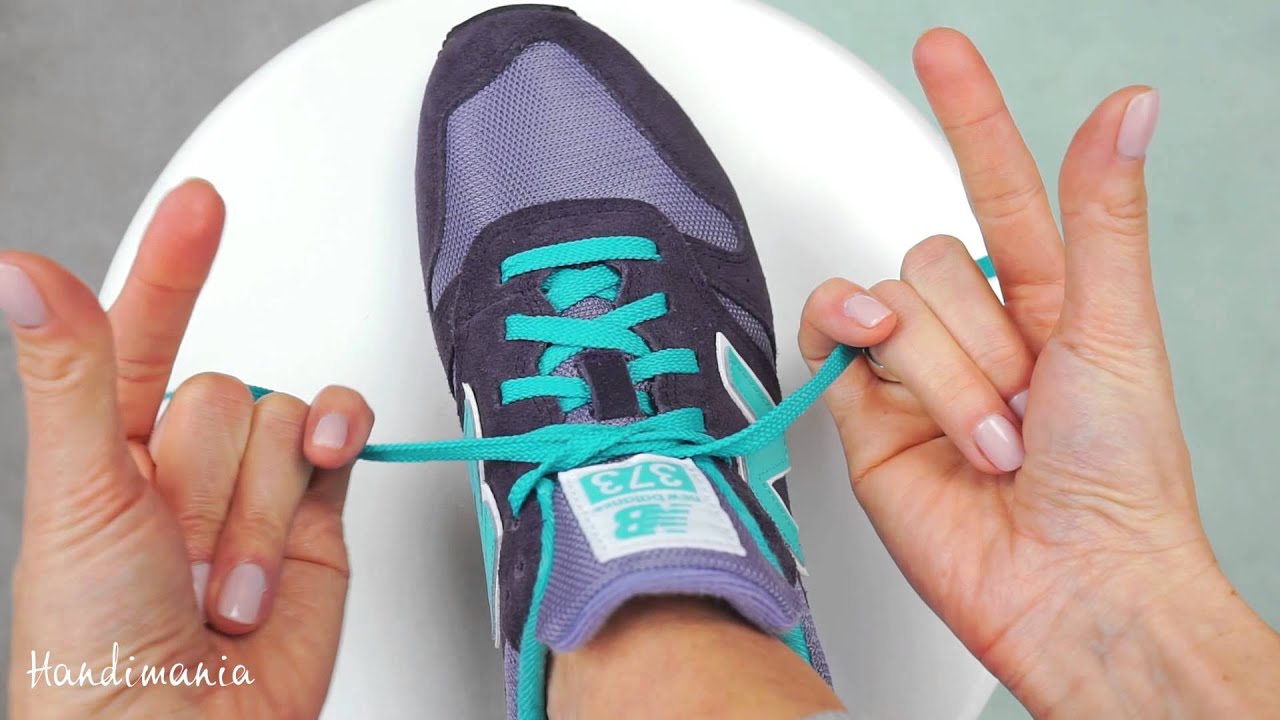
How to Tie Shoelaces for Adults Who Never Learned
Most people learn how to tie shoelaces around age five, but what happens when you realize—days, months, even years have passed with no one ever teaching you the technique? If you're an adult who never really learned how to tie your shoes, don’t worry—you're not alone. Many adults face this challenge, whether from missed early lessons, physical limitations, or just lack of exposure. The good news? It’s never too late to master the simple art of shoelace tying. This guide is designed especially for adults like you who want to learn how to tie shoelaces the right way—step by step, with patience, and without frustration. While tying shoelaces might seem like a childhood skill, staying independent with everyday tasks like putting on shoes affects your confidence and daily routine. Many adults struggle with this basic chore due to never being taught properly, physical challenges, or habits formed from not needing to learn early on. If even simple tasks feel overwhelming, mastering a reliable lacing technique can restore a sense of self-reliance. Whether for comfort, confidence, or simply overcoming a long-standing gap in skills, knowing how to tie shoelaces is empowering for anyone—of any age.Common Roadblocks for Adults Learning Shoelaces
Before diving in, it helps to understand why tying shoelaces feels tricky now:- Missed early learning: Without formal instruction, repeat misconceptions or avoidance.
- Physical limitations: Limited hand dexterity, arthritis, or injuries make traditional knot-tying difficult.
- Frustration and habit: Years of doing it wrong or bypassing the task create mental resistance to learning.
- Lack of visual guidance: Without someone to model the motion, it’s hard to translate “talked about” steps into action.
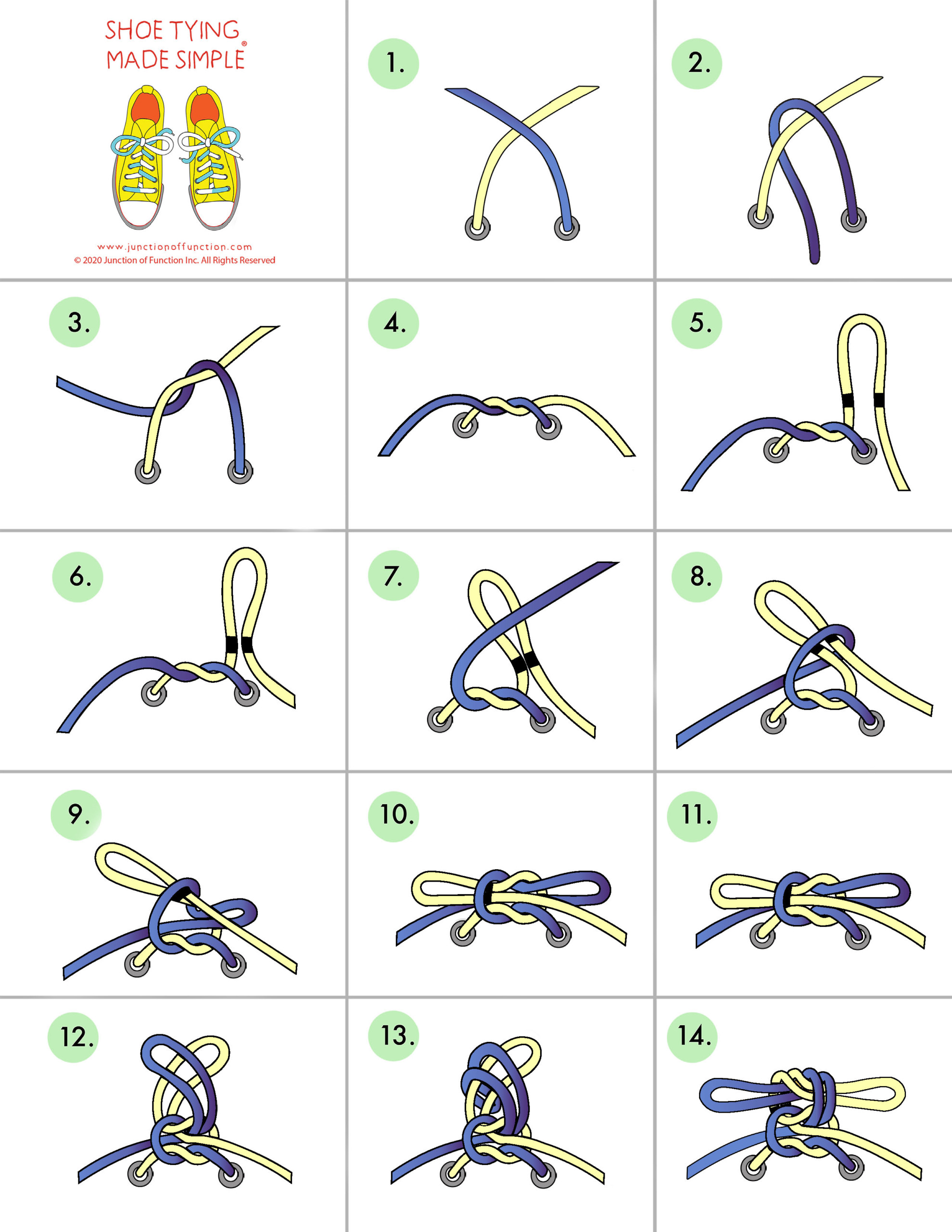
- Step 1: Create the initial loops: Split your laces into two main strands. Cross one lace over the other, forming a simple overhand loop at the base.
- Step 2: Cross and tuck: Take one lace, cross it over and tuck it under the other—this mimics the start of every basic knot.
- Step 3: Pull through: Gently pull both lace tails tight to form a loop that holds securely.
- Step 4: Secure with a knot: Use a simple overhand knot or a more advanced blind knot depending on your comfort.

Effective Techniques Tailored to Adult Learners
For adults with little time or patience for long tutorials, the best approach uses repetitive, reliable methods. One standout technique is:• The Double Loop Method (Your New Best Friend)
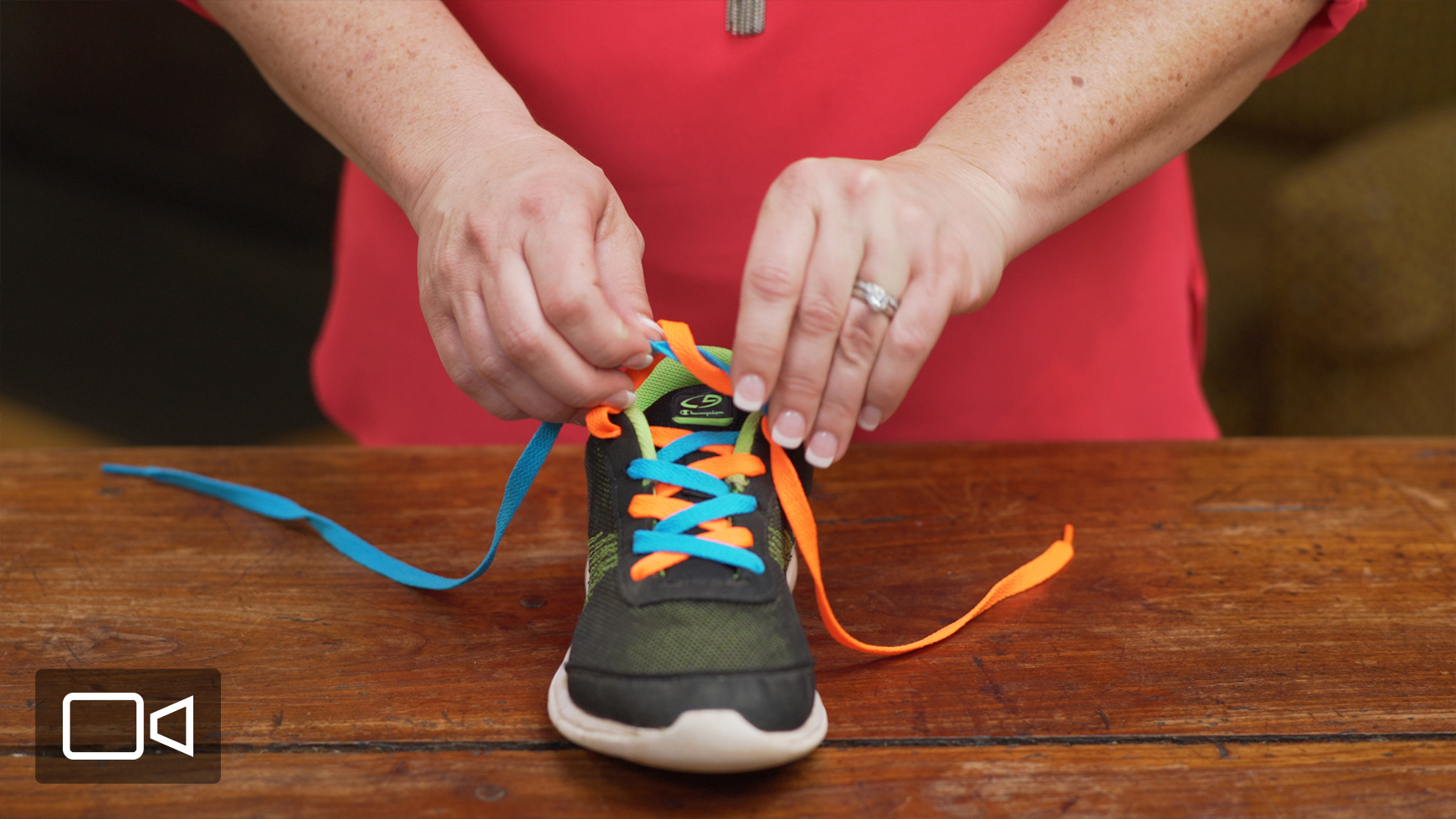
This method repeats the same basic motion twice, building muscle memory automatically: 1. Make a large loop with the lace on your right, around the left lace. 2. Repeat the loop with the left lace surrounding the right. 3. Pull tight, double the tension, and you’ve secured your knot—no flashy knots required. This technique reduces confusion and leverages familiarity. Use two contrasting laces to track progress visually. With practice, your hands will follow instinct, turning frustration into fluency.Adapting for Physical Challenges—When Standard Knots Fall Short
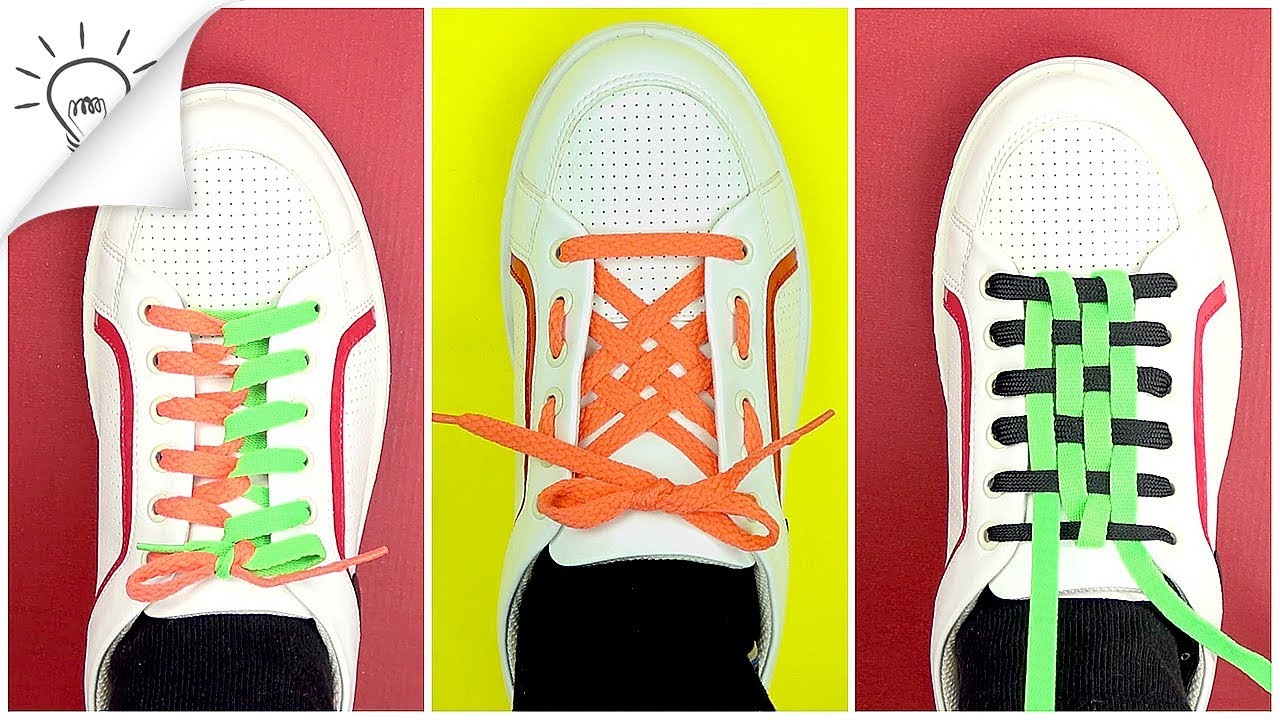
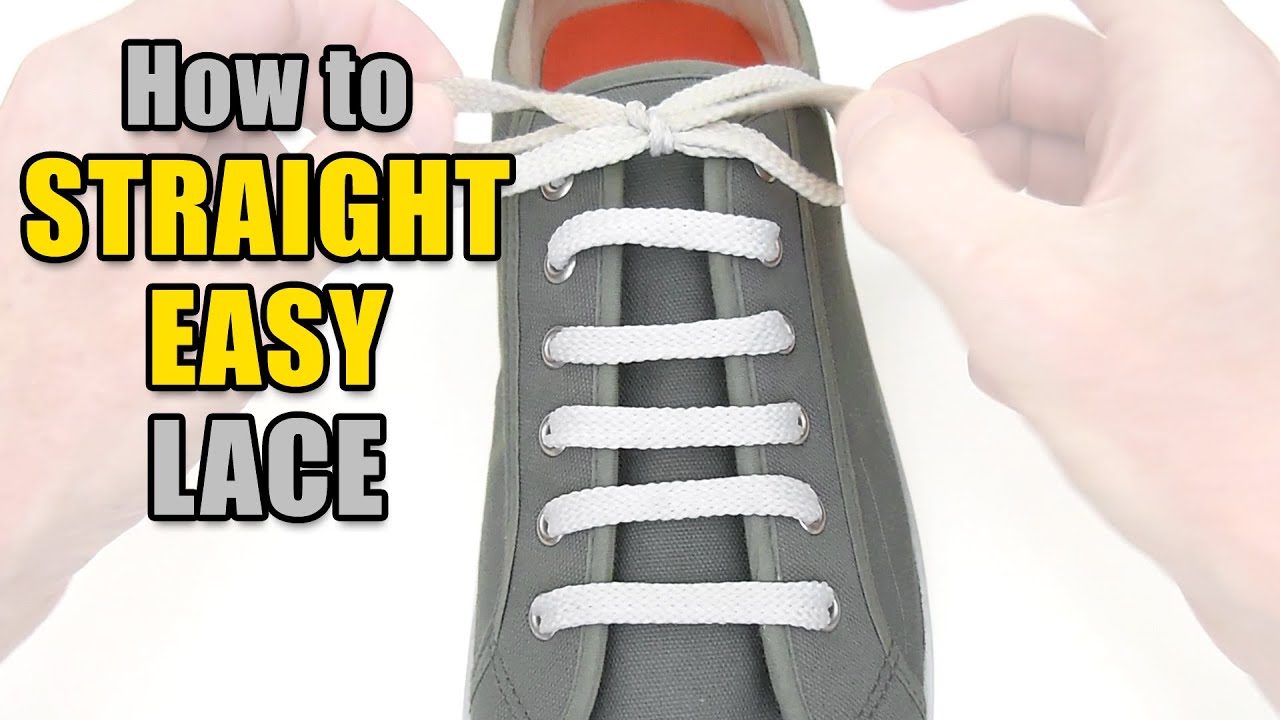
Moving forward, it's essential to keep these visual contexts in mind when discussing How To Tie Shoelaces For Adults Who Never Learned.
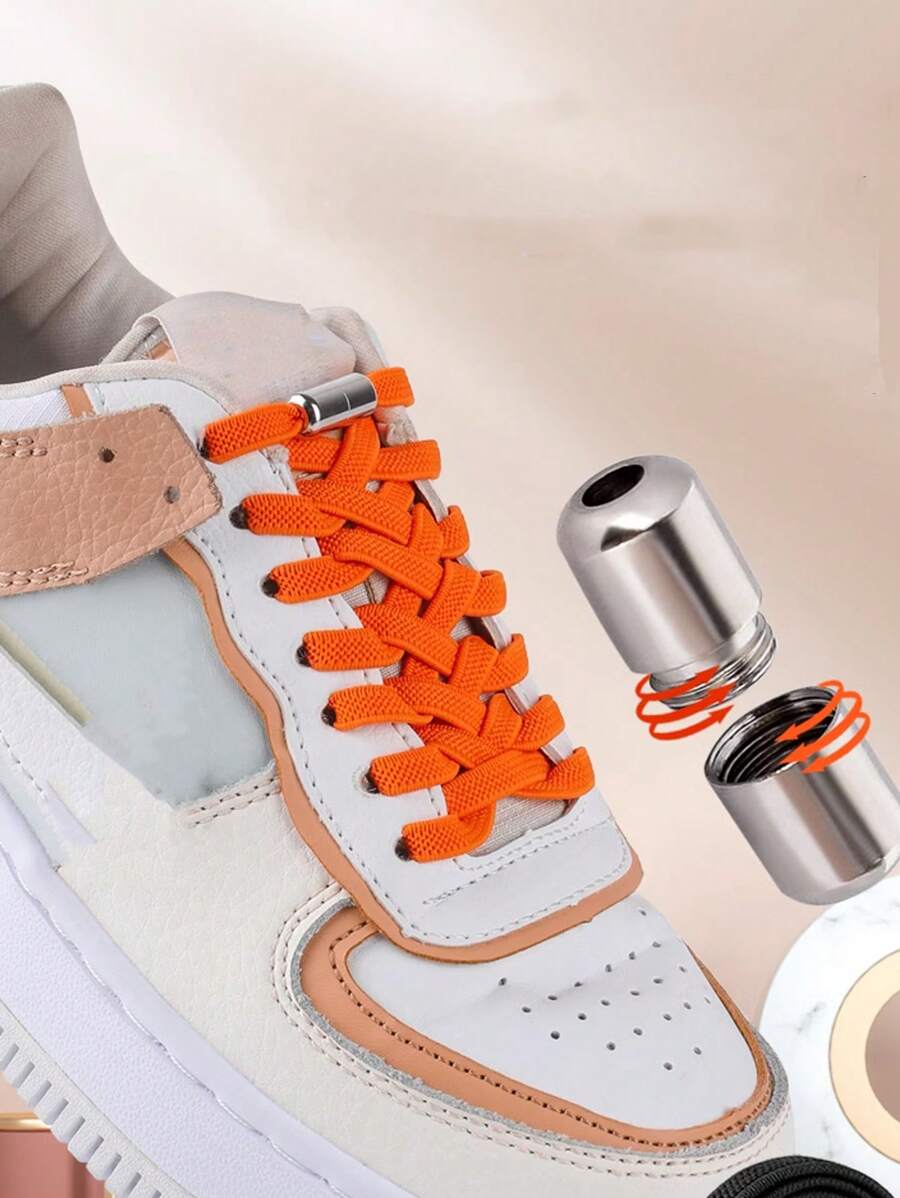
If hand strength, arthritis, or dexterity makes traditional knotting difficult, adjust your method: - **Use a lacing clip: Clip both lace ends together after tying to maintain balance without complex knots. - **Try a no-lace method: Explore shoe lacing systems designed for one-handed or adaptive use, such as secure tabs or elastic ends. - **Consult a professional: Physical therapists can recommend customized lace-tying strategies or tools tailored to your needs. The goal isn’t flawless perfection—it’s functional independence. Even a simple secured knot using clips can keep shoes on and reduce daily stress.Turn Learning Into a Habit—Practice Makes Permanent
Like any skill, tying shoelaces improves with consistent practice. Set aside just 5–10 minutes a day to sit with your shoes and try the steps. Use reminders—pair it with brushing teeth or waiting for your morning coffee. Celebrate small wins: a knot that holds, a repeatable loop. Tracking progress visually, like marking your shoes after each session, builds confidence. You’ll be surprised how quickly those two loops become automatic—like tying your shoelaces before you dressed as a child, but now done with purpose and pride.Bonus: Simple Tricks to Make Learning Stick
Want an edge? Use these tricks built for adult learners:- Colored laces: Visually distinguish opposite loops for clearer reinforcement.
- Video tutorials: Watch a few quick, clear demos—pause and repeat until comfortable.
- Partner-up: Ask a friend or family member to guide you through the steps together.
- Journal your journey: Note what feels tricky and what clicks—progress grows with awareness.


![Picture of Ways To Tie Shoelaces [Easy Alternate Methods] - Help Shoe](https://i.pinimg.com/originals/1a/c0/a2/1ac0a2baeb72b13affb35c624749c53a.jpg "Ways To Tie Shoelaces [Easy Alternate Methods] - Help Shoe")