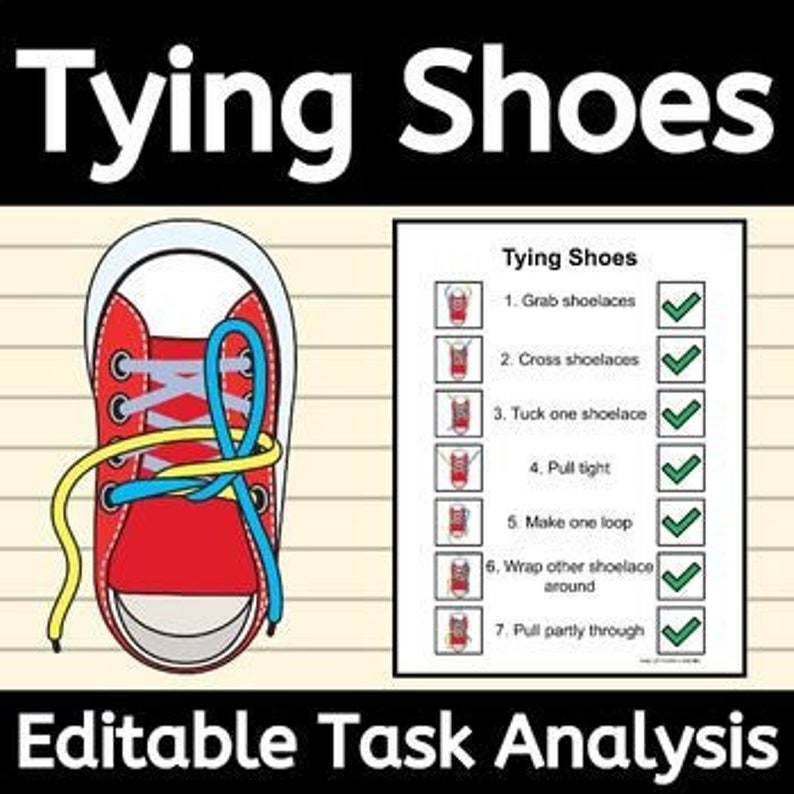
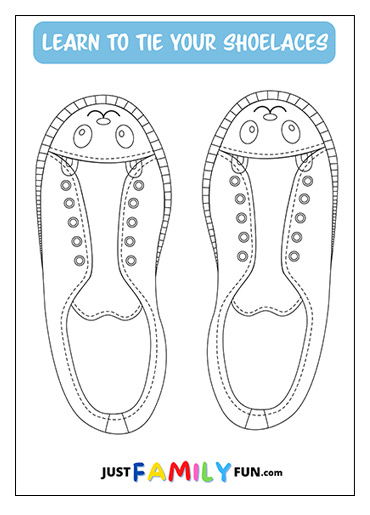
Simple Shoelace Tying for Students with Special Needs: A Supportive Guide
Teaching students with special needs how to tie their shoelaces can feel like a barrier to independence — but with the right approach, it becomes a manageable and empowering skill. For many children with autism, ADHD, or fine motor challenges, mastering shoe tying isn’t just about learning a routine — it’s about building confidence and self-reliance. One powerful tool in making this goal achievable is **simple shoelace tying**, a technique designed for clarity and ease, especially tailored to students with special needs.Why Simple Shoelace Tying Matters for Students with Special Needs
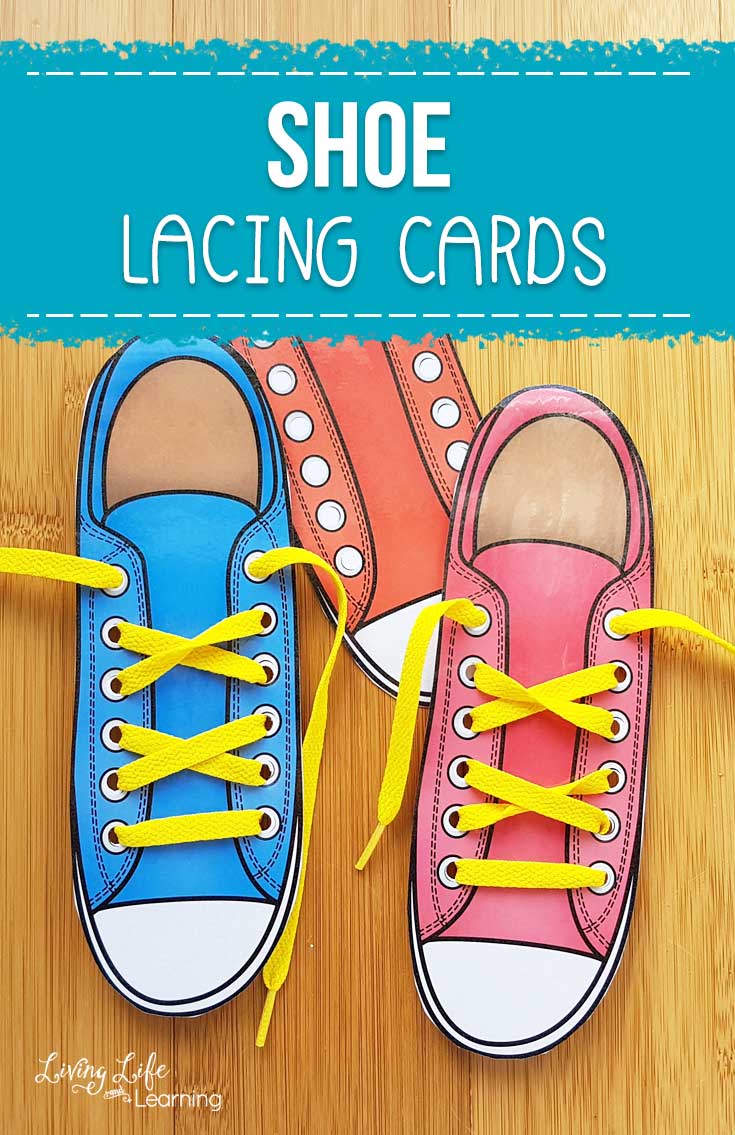
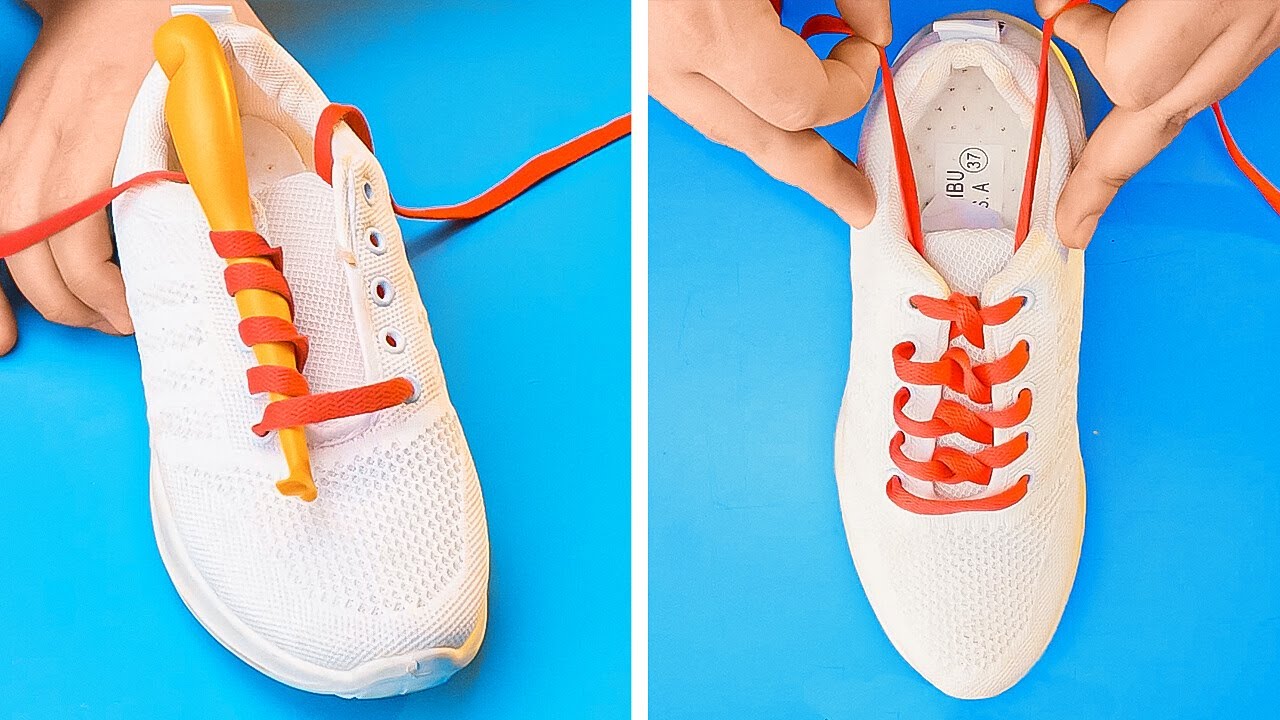
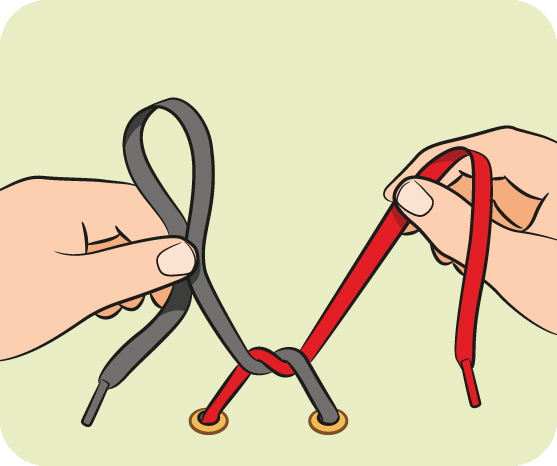
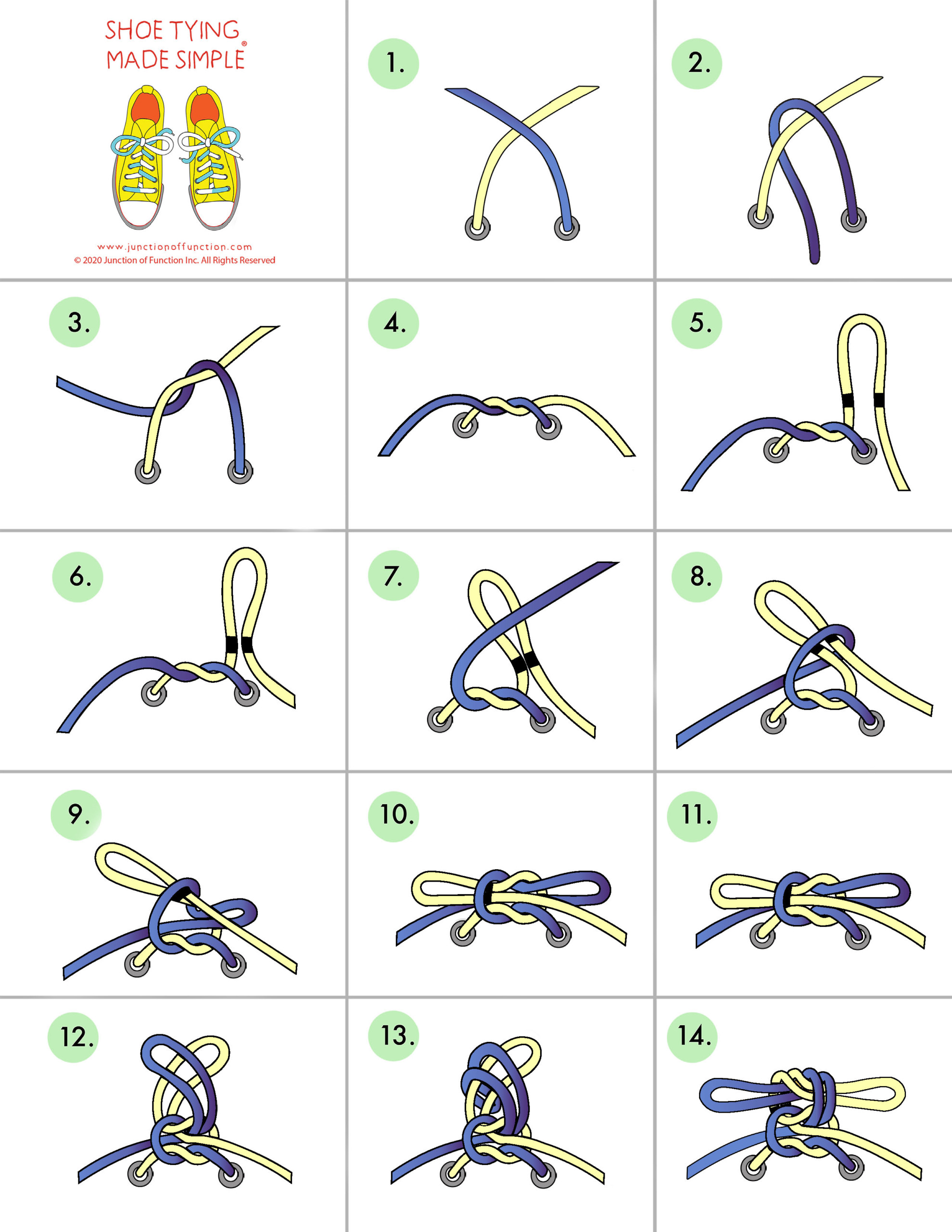
Lacing up shoes isn’t inherently tough, but for children with developmental differences, the process often involves multiple unfolding steps, precise hand-eye coordination, and consistent fine motor control — all of which can be overwhelming. This is why **simple shoelace tying methods** shine: they reduce complexity by using structured, repeatable motions and clear visual cues. Many students with autism find predictable routines easier to grasp, and breaking lacing into two or three clear steps supports this learning. Using two differently colored shoelaces is a smart starting point. The visual contrast helps with focus and provides verbal cues like “red lace over blue” to guide the child. For students with sensory sensitivities, colored laces also make each part distinct and easier to track. Practicing without pressure — such as using a shoe on the table rather than bending down — allows focus on technique before footwear becomes a factor.Step-by-Step: The Most Accessible Shoelace Tying Method
Tips for Teaching Students with Special Needs
Success in shoelace tying depends not only on technique but also on how the skill is introduced and supported: - Start with familiar equipment: If whole shoes or laces are intimidating, begin with velcro shoes or separate laces on a table. - Use short, calm instructions: Clear, concise verbal directions with visual models help maintain attention. - Break tasks into small chunks: Master one step before moving to the next. Celebrate small wins to build confidence. - Offer lots of practice—quiet time is best. No pressure, no rushing. - Incorporate sensory-friendly tools: Some kids benefit from slightly textured laces or weighted shoes to improve grip and focus. - Involve the child’s strengths: If motor skills are limited, adaptive tools like shoe horns or lace holders simplify handling. - Include fun and routine: Turn practice into a game or daily habit—consistency builds mastery. The goal is not perfection but progress. Even one successful tie strengthens self-esteem and paves the way for more independence.Why Consistency and Emotional Support Are Key

Furthermore, visual representations like the one above help us fully grasp the concept of Simple Shoelace Tying For Students With Special Needs.
Learning to tie shoelaces rarely happens overnight—especially for students facing developmental challenges. Patience is essential. Each successful tie represents a milestone in self-help skills that fuel broader confidence. Schools and families play crucial roles by reinforcing effort over outcome, praising persistence, and integrating practice into enjoyable moments. Research shows that teaching adaptive skills like shoelace tying is vital for helping neurodiverse children prepare for adulthood. These abilities enable greater independence in daily routines, school activities, and social interactions.