Optimize Windows Defender Settings for Best Security
Windows Defender, also known as Microsoft Defender, is a built-in antivirus solution that comes with Windows operating systems. While it offers a solid baseline of security, optimizing its settings can significantly enhance your system's defense against evolving threats. In this guide, we will cover the top Windows Defender settings for best security, their advantages and disadvantages, and provide tips to protect your Windows PC.
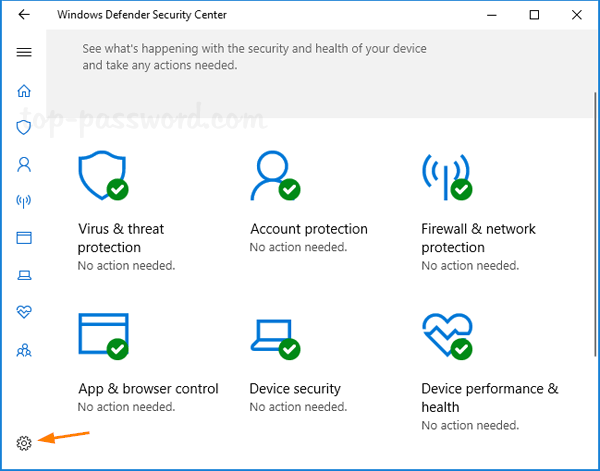
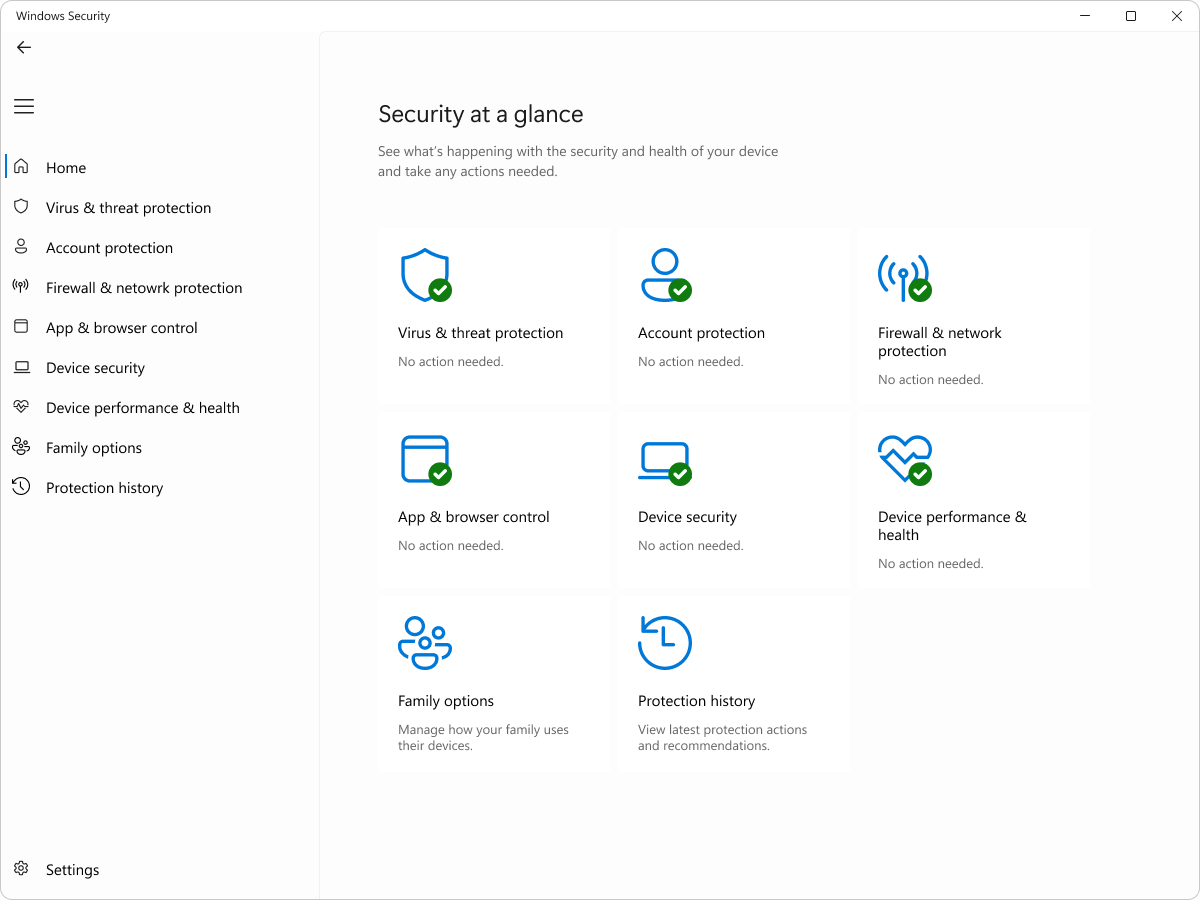
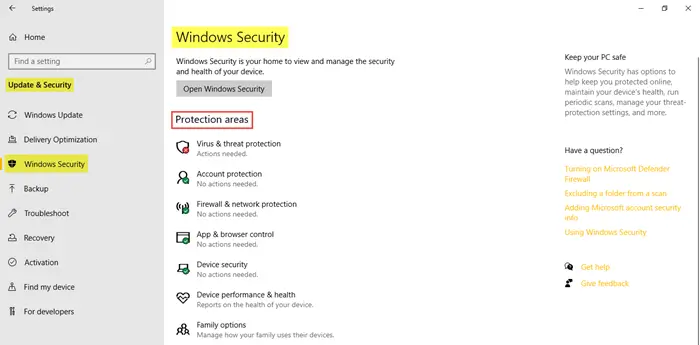
Understanding Windows Defender Security Center
Configuring Windows Defender Settings for Best Security
Enabling Advanced Threat Protection
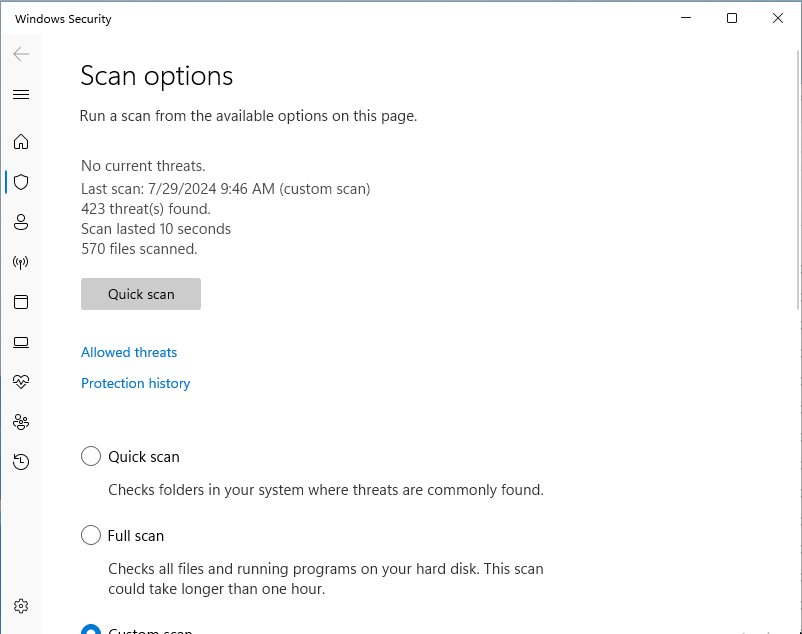
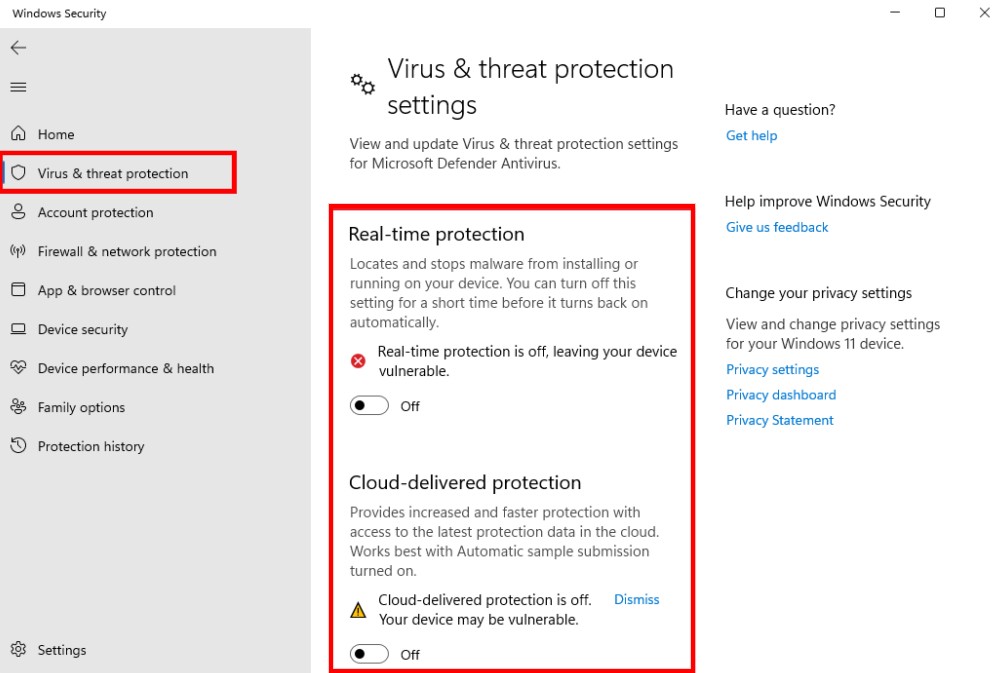
Advanced Threat Protection (ATP) is a feature that helps protect your system from advanced threats, including zero-day attacks. To enable ATP, go to Windows Security, click on the "Virus & threat protection" tab, and then click on the "Manage settings" button. In the "Advanced threat protection" section, toggle the switch to enable ATP.
Enabling Cloud-Delivered Protection
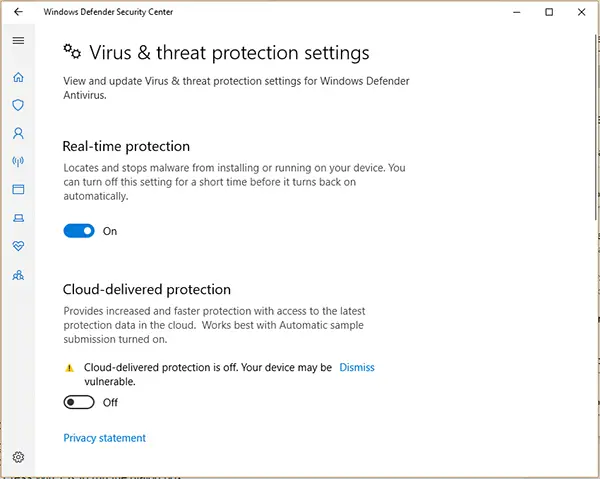
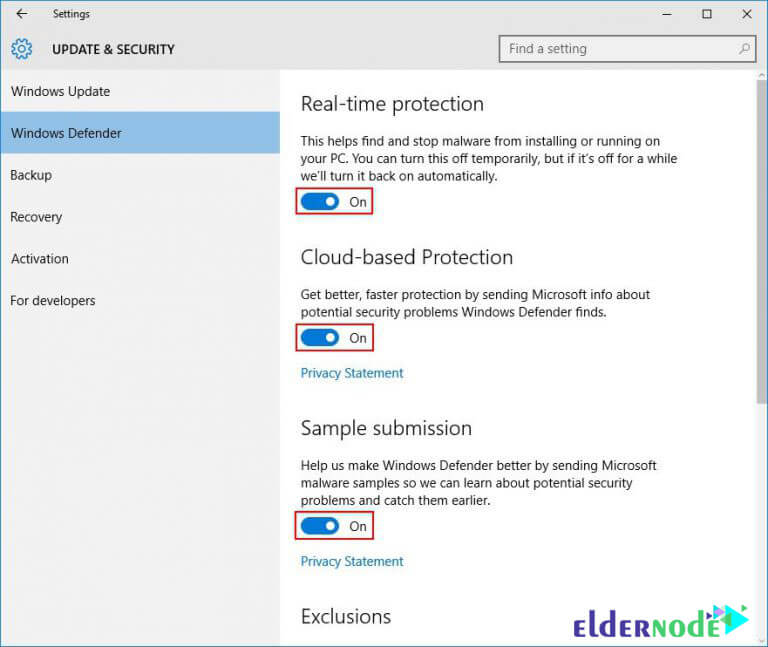
Cloud-delivered protection is a feature that relies on cloud-based threat intelligence to protect your system from malware and other security threats. To enable cloud-delivered protection, go to Windows Security, click on the "Virus & threat protection" tab, and then click on the "Manage settings" button. In the "Cloud-delivered protection" section, toggle the switch to enable cloud-delivered protection.
Enabling Tamper Protection
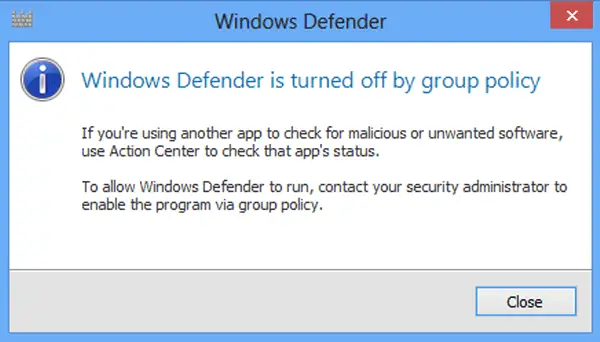
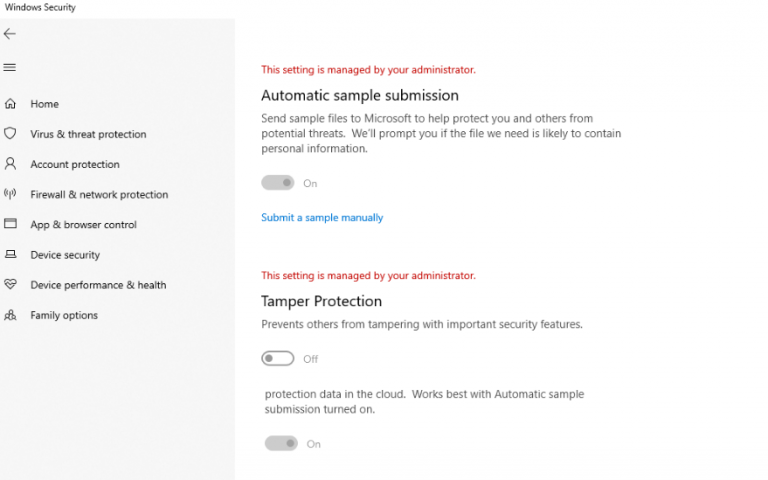
Tamper protection is a feature that helps prevent malicious apps from modifying Windows Defender's settings. To enable tamper protection, go to Windows Security, click on the "Account protection" tab, and then toggle the switch to enable tamper protection.
Group Policy and Registry Settings for Enhanced Security
Configuring Group Policy Settings
Group policy settings can be used to configure Windows Defender's settings, including enabling ATP and cloud-delivered protection. To configure group policy settings, go to the Group Policy Editor (gpedit.msc) and navigate to the following path: Computer Configuration > Administrative Templates > Windows Components > Windows Defender. You can then configure the settings as desired.
Modifying Registry Settings
Registry settings can also be modified to enable advanced features such as ATP and cloud-delivered protection. To modify registry settings, go to the Registry Editor (regedit.exe) and navigate to the following path: HKEY_LOCAL_MACHINE\SOFTWARE\Policies\Microsoft\Windows Defender. You can then modify the settings as desired.
Advantages and Disadvantages of Windows Defender Settings for Best Security
Advantages
Such details provide a deeper understanding and appreciation for Windows Defender Settings For Best Security.
* Provides real-time protection against evolving threats * Offers advanced threat protection (ATP) * Enables cloud-delivered protection * Helps prevent malicious apps from modifying Windows Defender's settingsDisadvantages
* May cause system slowdowns or crashes if not properly configured * May conflict with other security software * May require manual configuration and maintenanceConclusion
Windows Defender provides a solid baseline of security, but optimizing its settings can significantly enhance your system's defense against evolving threats. By enabling advanced threat protection, cloud-delivered protection, and tamper protection, you can ensure that your system is protected against malware and other security threats. In this guide, we have covered the top Windows Defender settings for best security, their advantages and disadvantages, and provided tips to protect your Windows PC.
Additional Tips for Enhanced Security
Regularly Update Windows
Regularly updating Windows is crucial to ensure that your system has the latest security patches and features. You can check for updates by going to Settings > Update & Security > Windows Update.
Use a Firewall
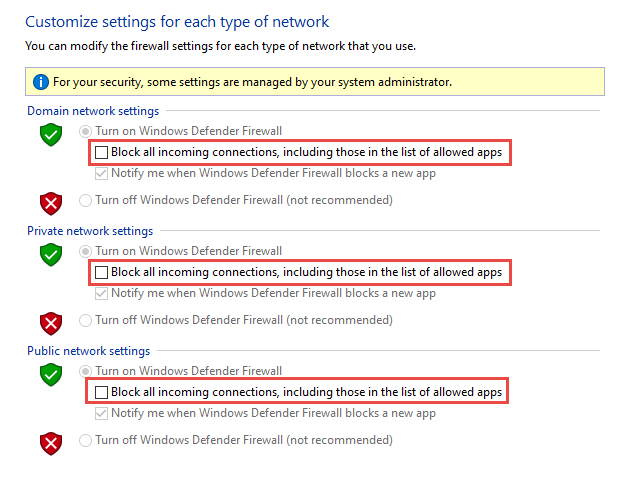
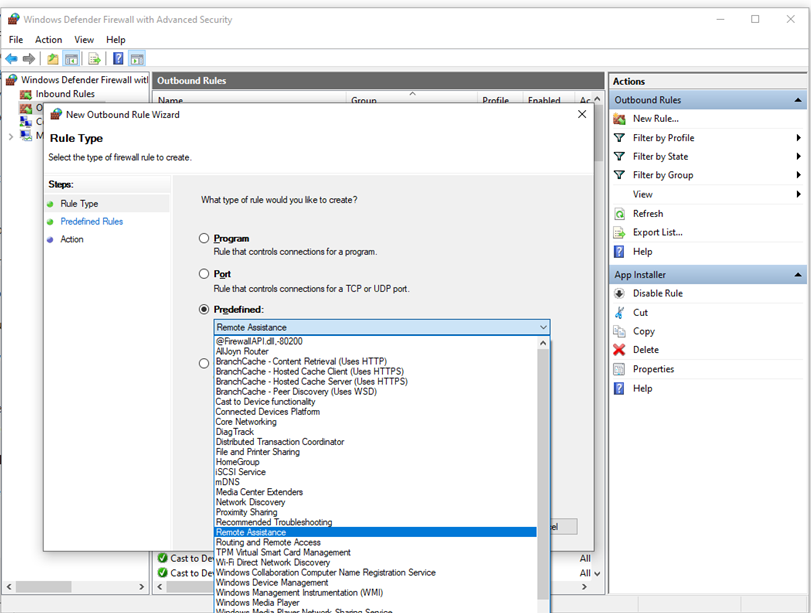
Using a firewall can help block malicious incoming and outgoing traffic. Windows Defender includes a firewall that can be enabled and configured in the Windows Security app.

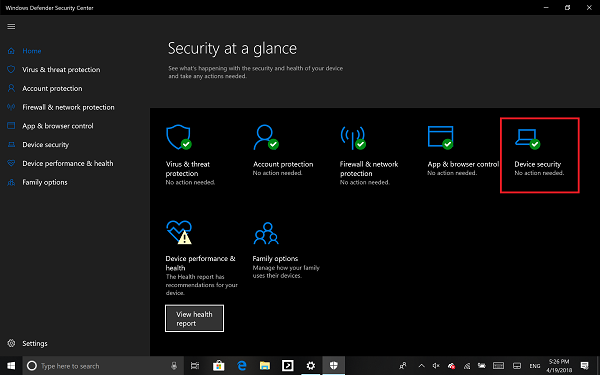
As we can see from the illustration, Windows Defender Settings For Best Security has many fascinating aspects to explore.
Using strong antivirus software can help protect your system from malware and other security threats. You can use Windows Defender as your primary antivirus solution or use a third-party antivirus software.
FAQs
Q: What is Windows Defender's purpose?
A: Windows Defender's purpose is to provide real-time protection against evolving threats, including malware and viruses.
Q: How do I configure Windows Defender's settings for best security?
A: You can configure Windows Defender's settings for best security by enabling advanced threat protection, cloud-delivered protection, and tamper protection. You can also configure group policy settings and modify registry settings to enable advanced features.
Q: Can I completely turn off Windows Defender?
A: No, you cannot completely turn off Windows Defender. However, you can disable certain features or create exclusions for specific files or folders.





/images/2025/01/30/microsoft_defender_review_0125_refresh_09.png "configuring-windows-defender-advanced-settings - GitHub")